
December’s Universal Light Celebrations
Tov l’hodot. It is good to give thanks. (Psalm 92)
Thanksgiving is here. Is it about giving thanks? Is it about giving? It may be hard to tell what is hidden behind the huge turkey and the elaborate plans for the big shopping days that follow.
It is too bad we are distracted from focusing on thanking, because making time to thank is an important activity. It turns out that giving thanks and appreciating are really good for us. They are good for our overall well-being. Even during hard times and in difficult situations, gratitude is a healing balm. In Jewish tradition we are guided to train ourselves to wake up with “I am grateful” on our mind, on our lips and in our prayer of Modeh/Modah Ani each morning.
Practicing gratitude in the morning and often during the day, giving of oneself, and acting in the world to benefit others help remedy suffering and nourish the soul. The nice thing about gratitude is that it is a choice. We can choose the attitude of gratitude, we can choose to infuse our lives with awe and humility by thanking and appreciating often. Studies show that thanking and helping others support our happiness and well-being.
The opposite of the attitude of gratitude is entitled attitude. An entitled attitude is a feeling the world owes us something, that we deserve and should have all our expectations and desired fulfilled. If they are not, we feel miserable, angry and disappointed. Our society has conditioned many of us to be entitled consumers. With sayings like ‘the customer is always right’ we overlook care for others, and qualities like humility, patience and gratitude are ignored.
In a society where personal entitlement is the norm, giving thanks is a necessary remedy.
With giving thanks we gain perspective and we focus more on what we have, while we focus less on what we don’t have, and even less on what we should have.
On Thanksgiving day when you gather around the table, you may want to invite people to share the good things in their lives. You may also want to include meaningful words of prayers, readings and blessings to fill this day with thanks.
Here is how to sprinkle Jewish blessings on your Thanksgiving feast Invite your family and friends to focus on the theme of the day: Thanking! Begin with a moment of centering and quiet as you sit around the table and offer a kiddush (wine blessing.) Then, lift the bread together and bless the meal with Hamotzi (bread blessing.) Savor the food and enjoy the meal while listening to each others’ sharing their gratitude. You may want to conclude with a blessing after the meal to express thanks for the abundance. You can chant the grace after meal (birkat hamazon) and sing other songs of thanksgiving. Listen to Tov L’hodot in link below.
simple practice: Pause for a moment now to name a few things you are thankful for. Include giving thanks in your daily routine. It’s best if it’s done at the same time daily. Notice how you feel when you remember the things that you are grateful for and the people that you appreciate.
Give yourself & others “me” time and “us” time to mend.
Mendful time is what many of us need most, especially in this hectic holidays season.
Gift Certificates for Personal Mendful Mentoring with Rabbi Sigal are available (contact us)
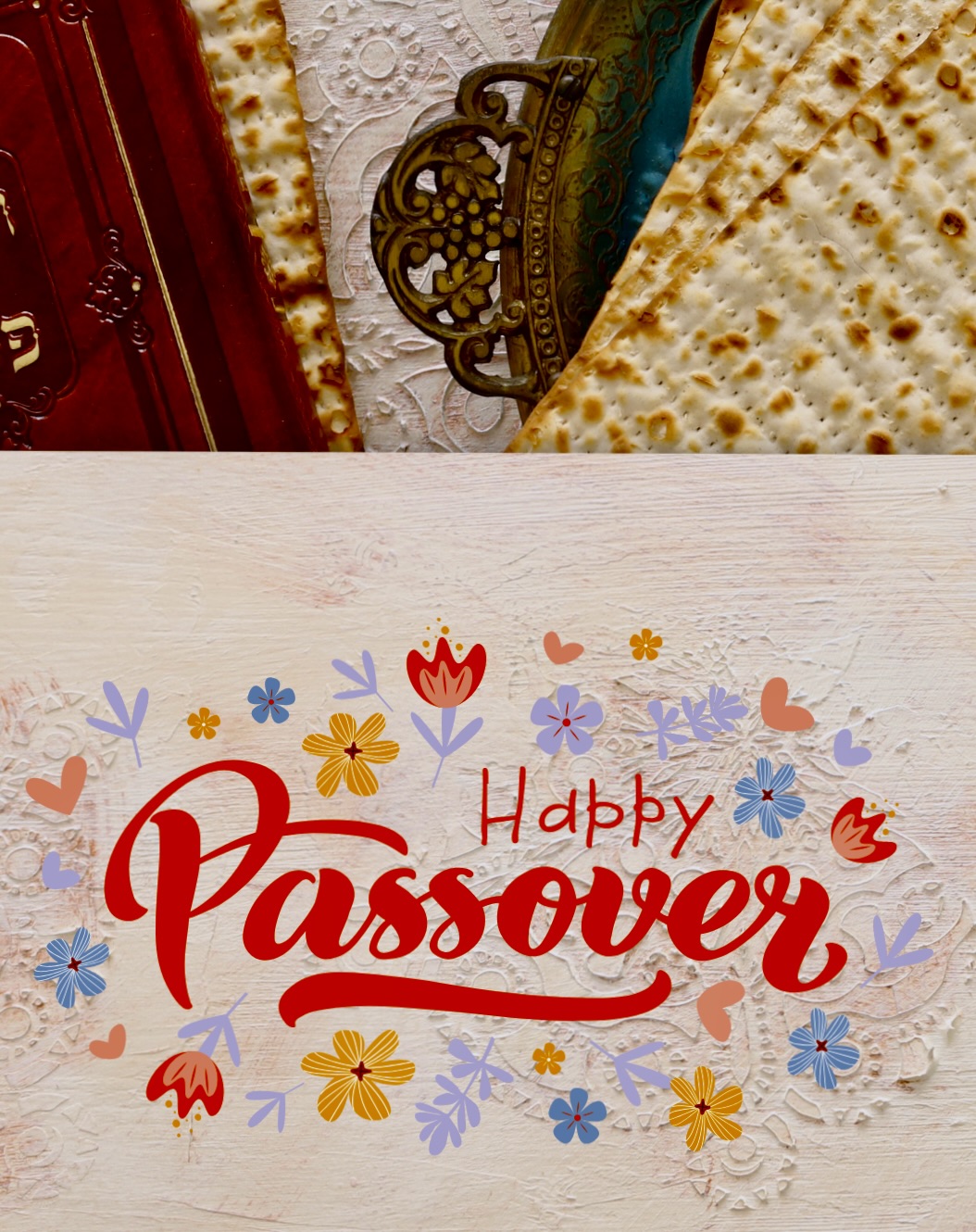
Spring welcomes us with sunshine and new colors. Life is infused with hope again. Passover is the holiday of Spring and freedom. It is also the holiday of new beginnings, asking questions and telling stories. It is time to come together and share with others. We eat unleavened bread (Matzah) as a reminder to let go of old “sticky” habits. Here are some Passover ideas to bring to Seder .Enjoy!

1. Ask New Questions
Although it is fun to sing the traditional four questions and do traditional things, many people become bored and tune out hearing the old story for decades. To generate engaging discussions around the table try to ask new questions. What questions would you ask? What questions other have? For example: Name four highlights related to new beginnings in the last year? What are some personal experiences or events that are related to freedom and what experiences are related to oppression?
2. Put the Say in Say-der (Seder)
Hagadah, the book we read at the Seder, literally means to tell. This year try more telling and less reading. For example, use the the four cups of freedom to talk about the stages and the kinds of freedom. The Hebrew name of the holiday Pesach, as pointed out to to us by a Hassidic Rabbi, can also be understood as related to telling. If we divide the word in to 2 words: Peh-sach, it means mouth-speaking/telling.
Give yourself permission to leave the usual script and improvise on the many themes of the holiday. Dare to be dramatic! For example, tell stories about your own life and talk about world events in the past year that relate to the themes of freedom and bondage.
3. Becoming Less Sticky or Stuck
If Passover is the holiday of freedom and liberation, why is the food we eat is binding? With the awareness of sustainable and healthier lifestyle, our diet is also an expression of our choice to be more free. Some people are adapting a gluten free diet, which in my sensibility relates to the Passover theme of freedom and becoming less sticky.
We know now that some foods are “sticky” (hence the ingredient is called glue-ten) and cause inflammation. Over the years I have adopted a Passover diet rich in vegetables, fruits and protein and less grain. I especially try to consume less Matzah.
4. All are welcome – Kol Dich’fin
Kol dich’fin, in Aramaic means all are welcome. When we make plans for the seder each year we ask, who else can we invite? On this holiday of freedom we ask how can we be the force for good in the world and share in our liberation? We count our blessings and extend our thanks by sharing an evening with people who we don’t know well, or people who are alone, had a hard year and can use the invitation to be included, dream of freedom and have a respite for one night.
We care and share with others with the tradition of kol dich’fin, all are welcome. We let people know there is always room at our table. Small gestures; opening our doors, sharing a meal with others, are actions to help heal and mend our world.
 The time has come to seed the garden of your life with new soul inspired seeds.
Tu Bishvat (15th day in the month of Shevat) is almost here. Under a full moon this week we will celebrate Tu Bishvat – we celebrate trees and nature. Go outside and gaze at the full moon, pregnant with new possibilities, and contemplate seeding soul inspired seeds in your life. What hopes and dreams are hidden in your soul? What do you sense and imagine could bloom in your life when Spring arrives? What needs to be cultivated now and what decisions and work do you need to do now?
Tu Bishvat is a celebration of trees and nature. The trees are very internal this time of year. Perhaps they too are dreaming and growing with strength. Readying themselves to burst with beauty in Spring.
Why do we take time to do inner work? Why should we sit quietly and meditate and simply make time to be? Because, like trees, even before the thawing and the blooming, our insides become alive. Now is the time for deep inner growing; dreaming and imagining.
THE PRACTICE:
We begin by imagining the fruits we want to bring to fruition. What will you grow? Sit and become quiet to reflect on what you love; discern the desires of your heart. What is your heart’s desire?
Make time to meditate, reflect, journal, speak, draw , paint, be in nature and be still for a few minutes a day.
When you have a sense of what are your soul inspired seeds, your heart’s seeds, write them down. You may discover there are seeds you didn’t know were hidden within you. You may want to make a list and read it a few times. Keep the list going and choose to reflect more in depth on 2-3 of the items. Attend to them. Nourish and water these seeds. Try to make time for dreaming and for listening attentively.
Identify the necessary conditions to help your heart seeds grow and come to life. What are the attitudes and actions you will take, or avoid, to support the growth?
Don’t rush. It is still winter. On Tu Bishvat the trees only begin to wake up and the sap begins to flow. Be patient and generous like a tall and strong tree. You have plenty of time to seed and germinate until Spring (Passover.) Don’t rush. Take all the time you need, but remain focused.
May your heart’s seeds germinate, take root and grow well. May they grow into a beautiful Spring garden and reward you with the delicious fruits. May it fill your life with beauty and peace. Enjoy!
Many blessings, Rabbi Sigal
Will 2024 be the year you act more authentically on your values?
2023 has been a difficult year with the war in Israel. Personally, 2023 was a year of many changes and transitions for me. Post pandemic we are definitely free to roam about more freely but, we are forever changed by the years of the pandemic in many ways.
Many of us experienced significant changes and disruptions to your life in the past years; work, relationships, home, family, travel, and routines. While some changes are stressful and disorienting, other may be welcomed and comforting. We all, with more or lesser success, have tried to navigate with grace and balance.
In the many interactions I had during the past years I learned two things were important. Staying connected with others and staying connected to our inner selves. Too many of us the daily spiritual and body-mind practices were more important than ever. It continued strengthening our resolve, sense of hope, well- being, and resilience. In the virtual Mendful mentoring sessions and gatherings it was apparent how connecting with one another helped bring out our authentic selves and smiles more fully. The engaging group and one on one conversations encouraged us to be more daring and open to try new things.
I learned from Professor Wendy Wood that people are reluctant to make new decisions during hard times. People think that making new decisions when there is a disruption to life, is not a good idea. But, in fact, she says, that disruptions to life are opportunities to act more authentically on our values. People try new things when life is disrupted because the old ways are no longer possible. They experiment with ideas that may have been dormant for a while, and the disruption is an opportunity to act on them.
How can you act more authentically on your values in 2024?
I invite you to make time to reflect back on the year 2023. What were some of your most memorable experiences and insights? What do you wish you acted on to bring you closer to a fuller expression of you? Now, what do you want to cultivate and grow in the year 2024? How will you use the time left in lockdown this winter, whether home alone or with family, to bring out more of you? Perhaps to do something new, or something you always wanted to learn or attend to but never did.
Set your heartfelt intentions and follow them with meaningful action. Invite others into the conversation, discuss and share your intentions with family and friends to support each other and share in your success, as you engage in your chosen activities to live out your intentions.
It’s hard to make changes at any time. It requires courage, resolve and commitment to act. When we attend and nurture our body and minds with mendful conversations and spiritual practices, we grow our capacity and encourage or hearts to live our values more fully, and we act more authentically. The practices give us strength and focus to creatively find paths to overcome challenges. We experience more contentment, peace and joy when we act authentically.I hope this year we feel resolved and better equipped to handle the ups and down of life. May we support each other and have the courage to really live our authentic values more fully.
I am here to help if you would like to connect about Mendful mentoring sessions.
Happy 2024!
 I would like to express my heartfelt wishes at this time of turning our gaze onto a New Jewish Year.
May it be a sweet and healthy New Year. May the year 5784 be a mendful path that brings us more ease, contentment and delight. May we share in more peace and may tranquility and friendship reside in our communities. May we experience less conflict and more understanding. May our homes be filled with the love and kindness we enjoy and desire, every day and throughout the year.
L’shannah tovah u’metukah.
Love and blessings, Rabbi Sigal

Hashivaynu e’lecha ve’nashuvah Come let us turn, return, and be turned to the one.
After Teshuvah, the willful work of turning and returning, we let go of preconceived notions of what we are and how life should be. We breathe, relax and allow life to unfold for us. The more we allow ourselves to be turned, the more we are home.
Our attempts at prayer for help, as it is with any action, is motivated by our belief, laden with guilt, that we need to do something and that belief causes us to never let go or relax. We are always doing, trying, controlling and seeking to get better, farther, etc. Most often we forget to stop after we ask to feel the effect of our “doing” and to let help, joy and life in. We are habituated to do and we rarely surrender long enough to be turned and feel at home in ourselves and where we are in our lives.
The Jewish New Year is here to remind us to wake up and stop the doing and the trying so we could be turned. At the beginning of a new year, willing to be transformed and with hope we stand at a new beginning pregnant with possibilities. We pray and ask to be turned and retuned to the home of our souls. (You are welcome to include more specific prayers that arise in your heart for happiness, health, peace, prosperity etc.) I hope you can stop doing and be. Listen deeply and pray for an opening in the heart, so you could be turned. Turned and returned to more fully appreciate this magnificent gift – your life.
With humility and with hope in our hearts we allow ourselves to fall into the embrace of the Mystery and remain curious and open to enjoy the ride which is somehow mysteriously guided by our desire to love this life more fully before it is too late.
Shuvah, it’s time to come home.
Besefer haim tekateyvu vetechatymu. May we all be inscribed in the book of good life.
I wish you and yours a sweet and healthy new year and wonderful holiday celebrations.
L’shana Tova u’metukah